2 hr
Tondo Slum & Hidden Market Walk with a Local Guide
Walk Manila's vibrant Tondo district with a local guide — markets, street food, and real community stories.
Reserve
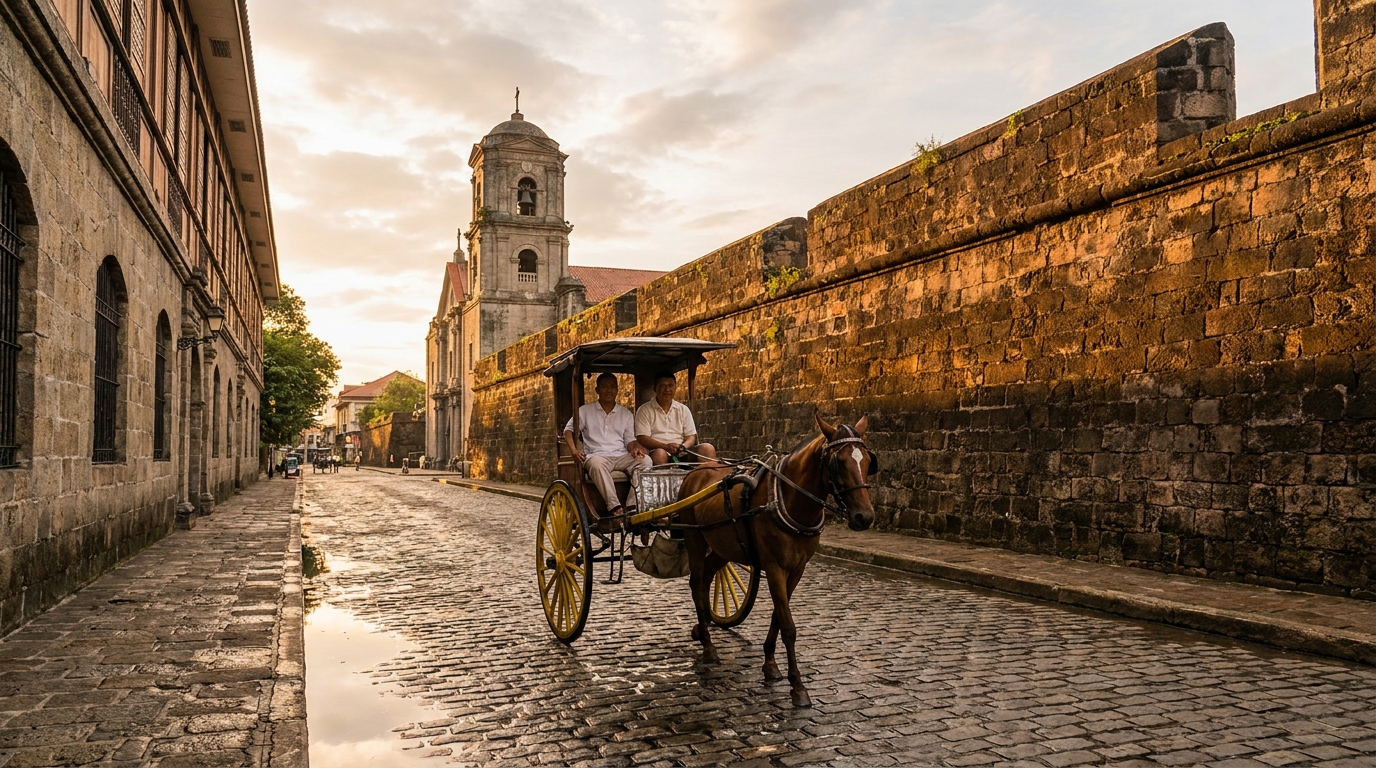
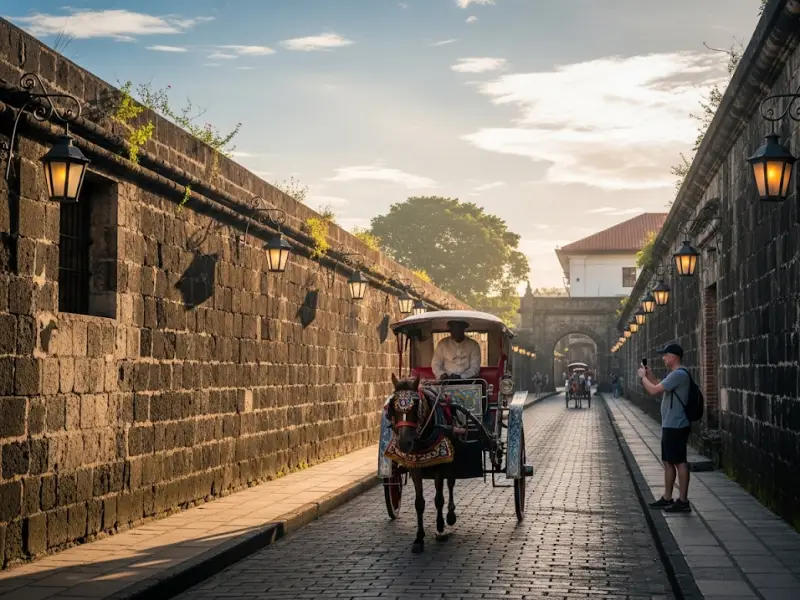
Cobblestones at sunrise, lanternlight at curfew.
Hand-picked by our editors — only the best 5 experiences from 38 reviewed.
Verified partners for Intramuros tours, free cancellation where available, and instant confirmation on every booking.
2 hr
Walk Manila's vibrant Tondo district with a local guide — markets, street food, and real community stories.
Reserve
3 hr
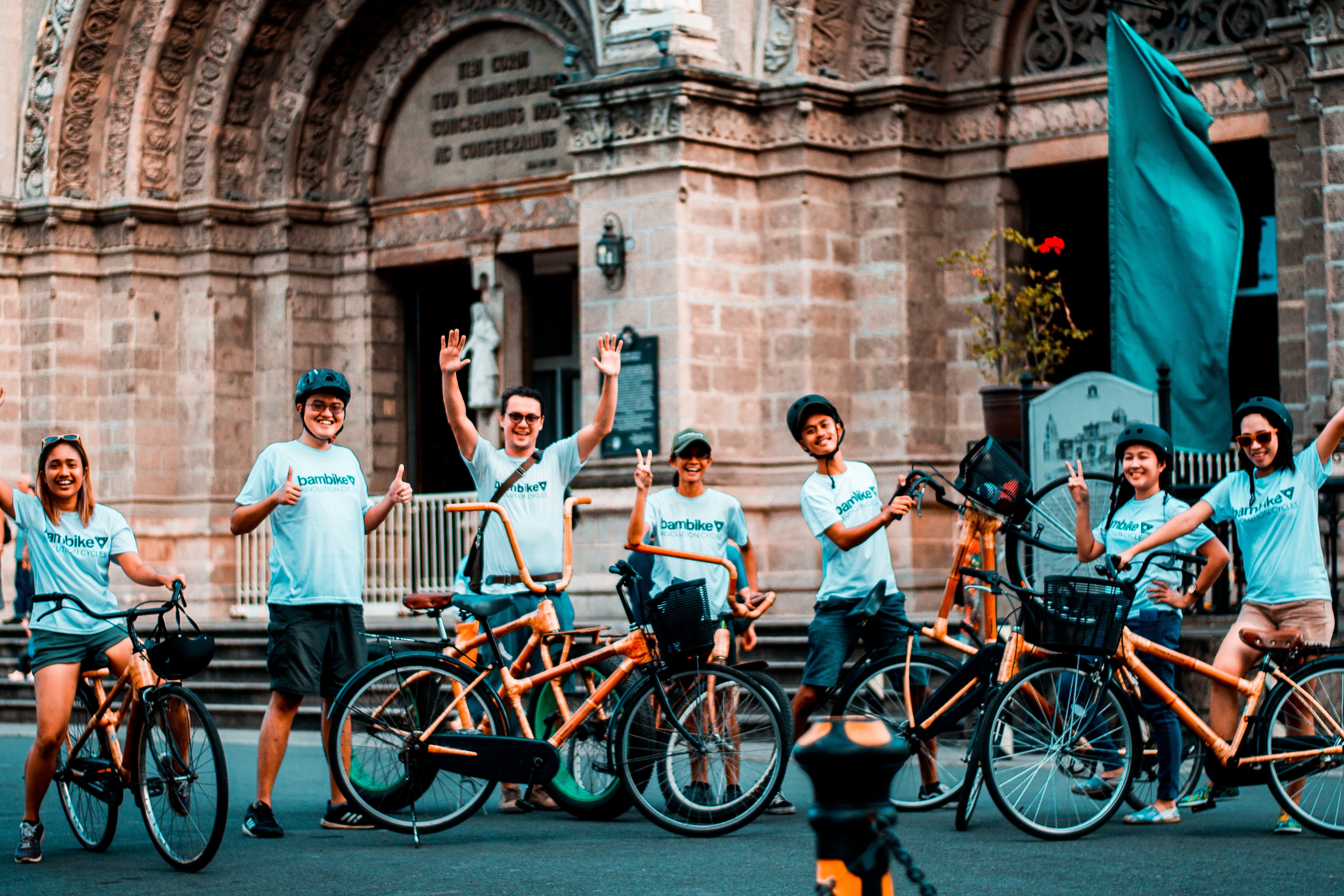
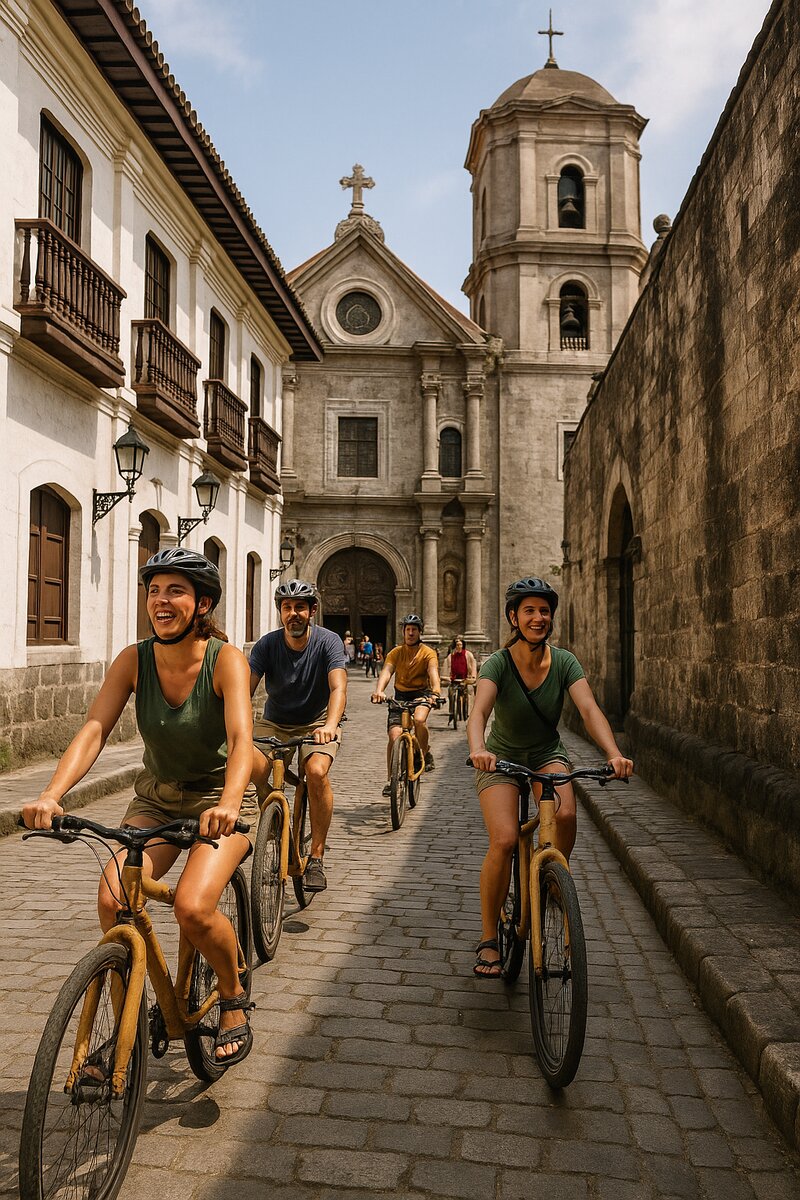
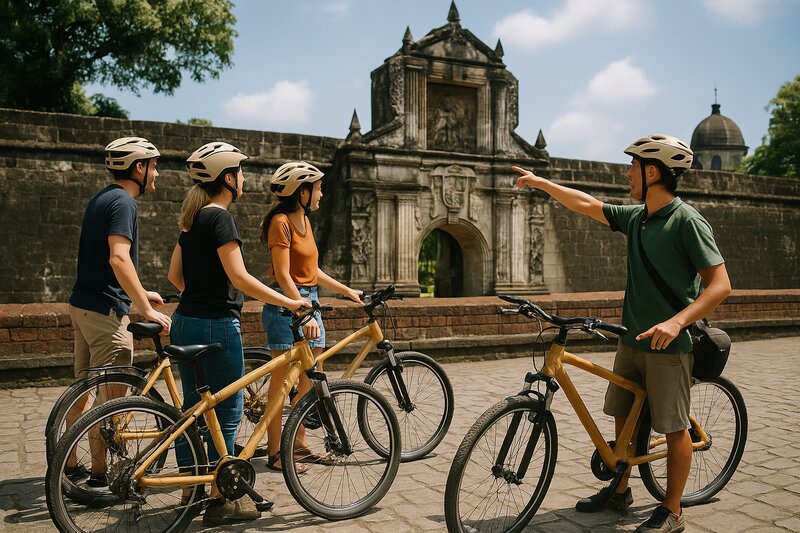
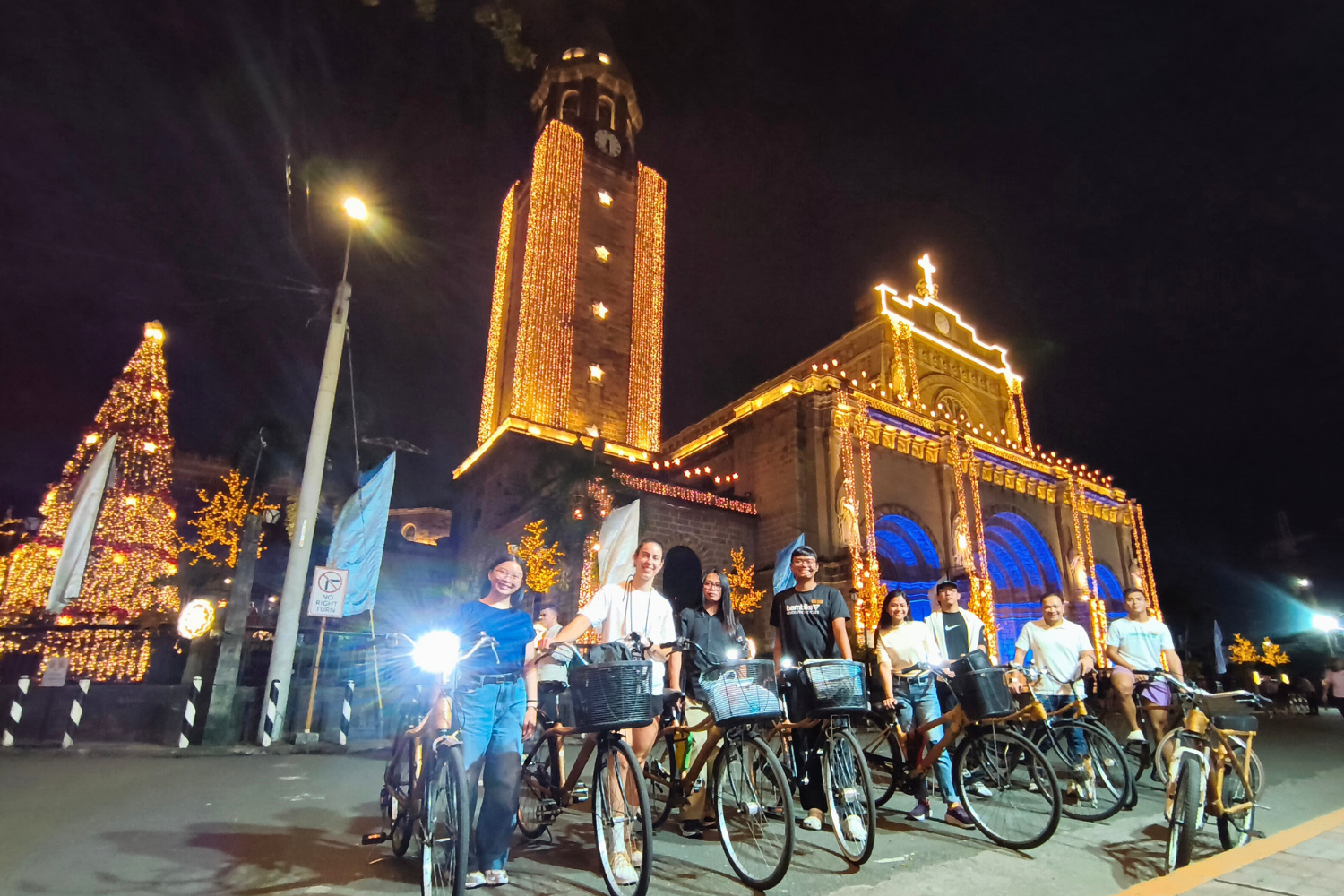
Cycle Manila's walled old town on a handcrafted bamboo bike, led by expert guides through Spanish-era landmarks.
Reserve
3 hr
Wander Manila's Walled City on foot with a DOT-accredited guide, exploring centuries of Philippine history.
Reserve
4 hr
Journey through Manila's colonial past and modern present on a guided 4-hour tour of its top landmarks.
Reserve
4 hr
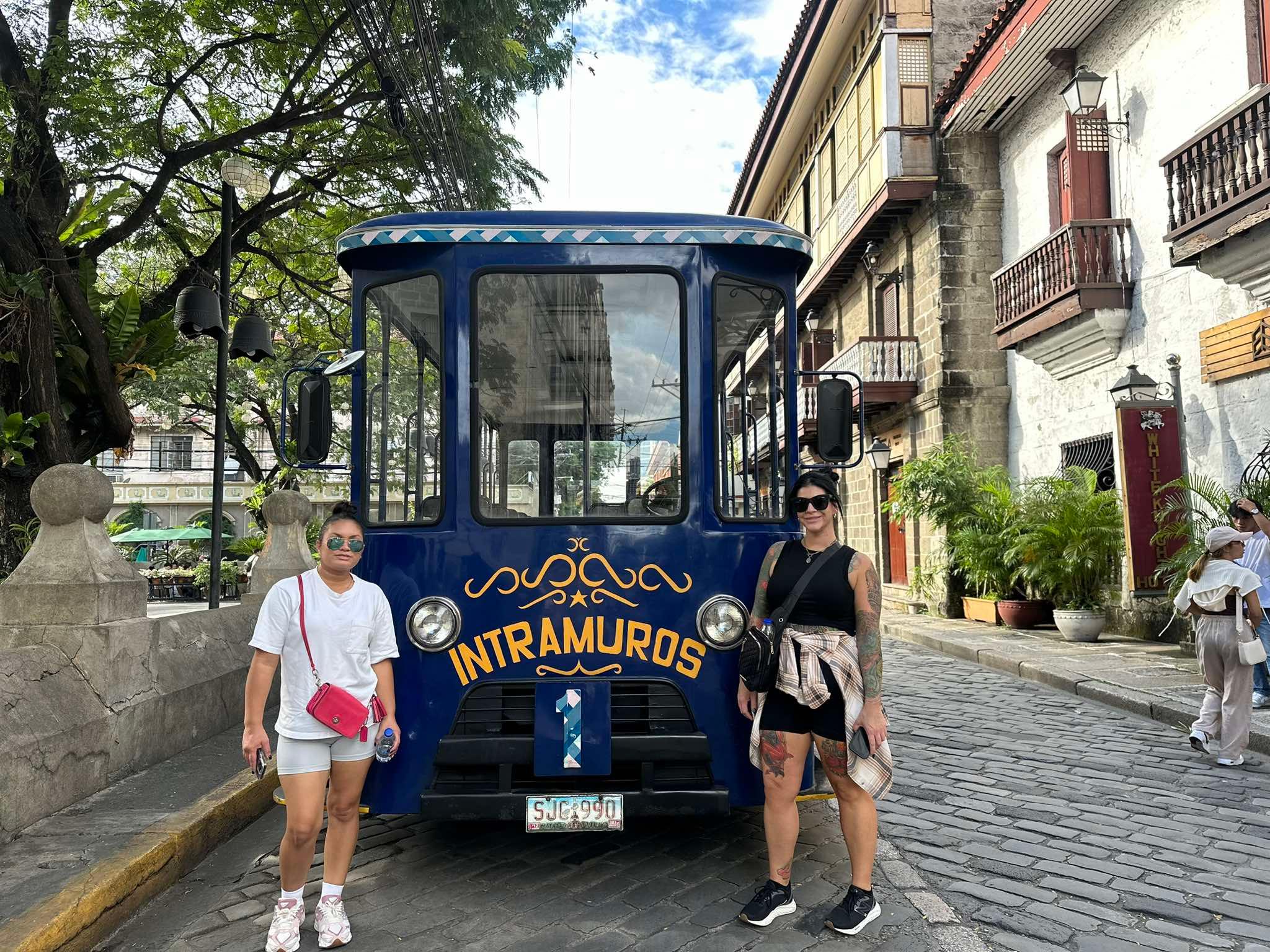
Walk colonial Intramuros, ride a tuktuk to the world's oldest Chinatown, and feast on Filipino-Chinese classics.
ReservePrices from verified partners. Availability updates in real time at checkout. Free cancellation policies apply where shown.
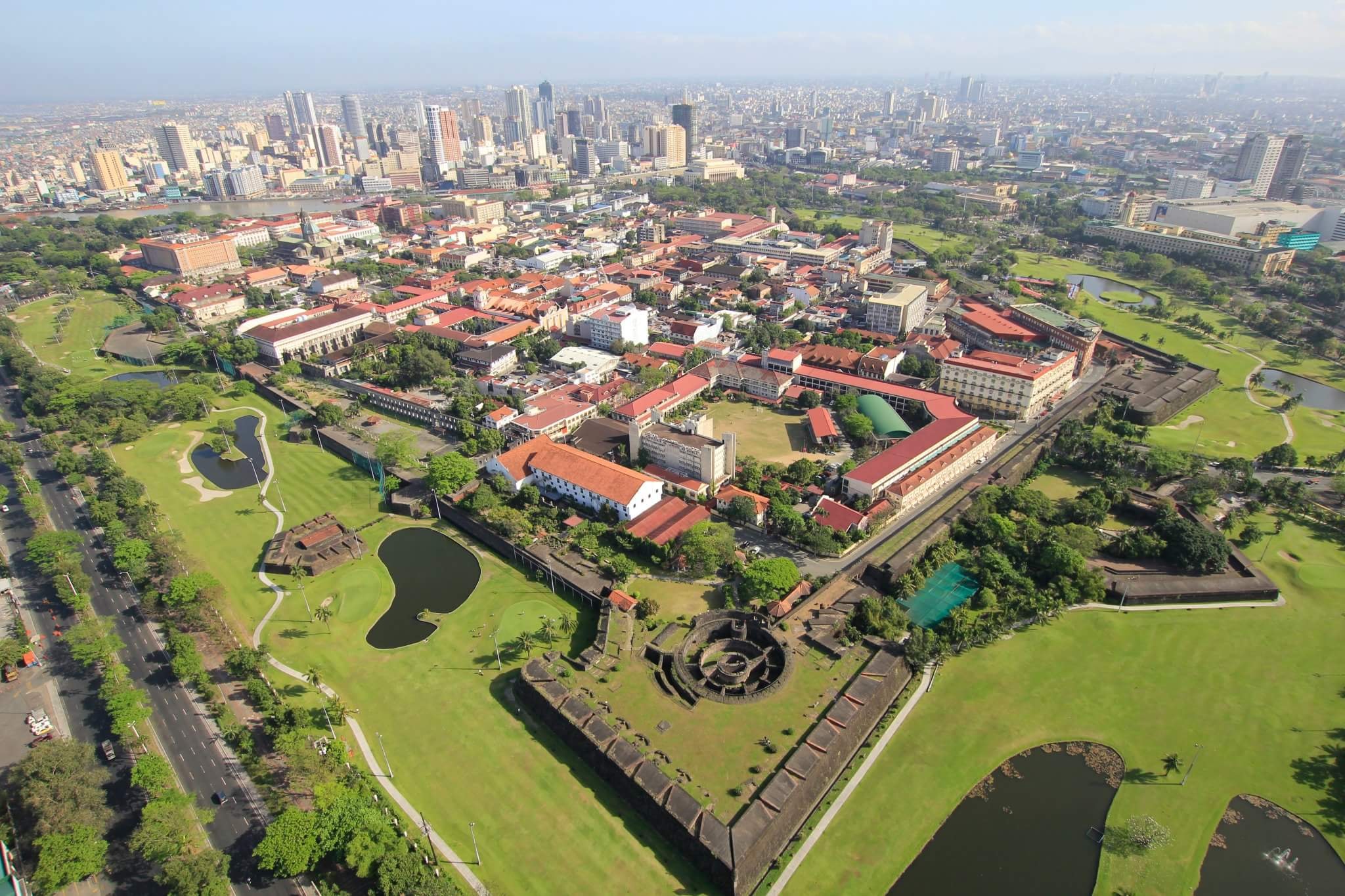
Founded in 1571 by conquistador Miguel López de Legazpi, the walled city was built to be permanent — and 4.5 kilometres of volcanic adobe ramparts have outlasted earthquakes, the British occupation of 1762, and the firestorm of 1945 that flattened nearly everything inside them.
The bastions, ravelins, and dry moat were the work of Jesuit engineers borrowing Vauban's geometry; what survives is one of Asia's most complete examples of Spanish colonial military architecture.
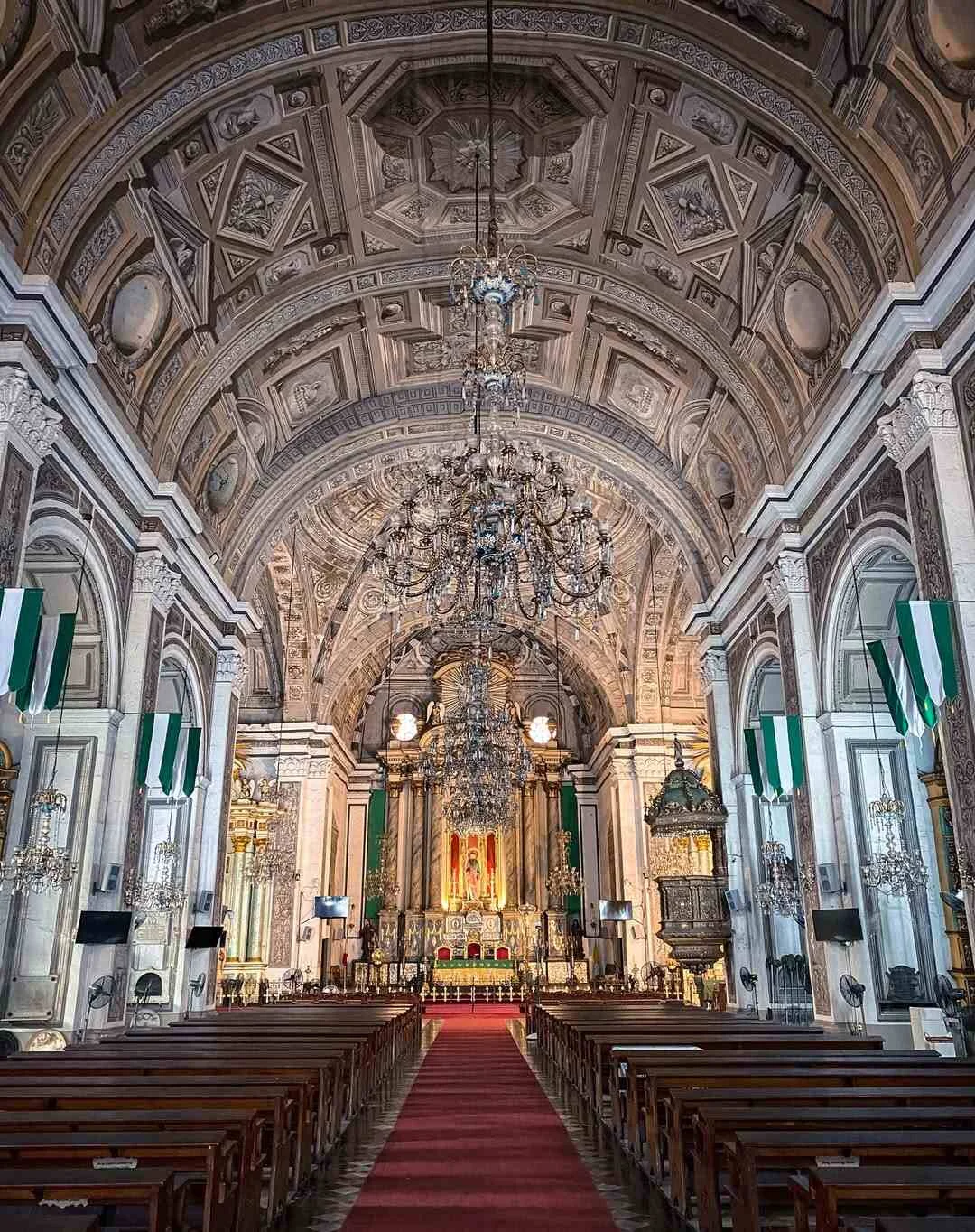
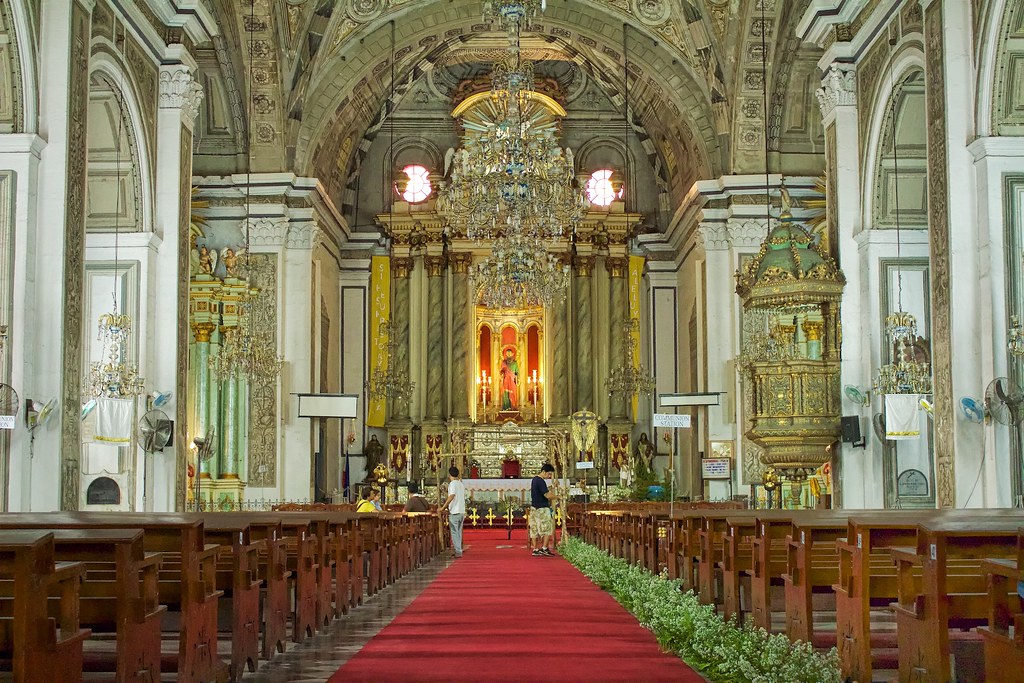
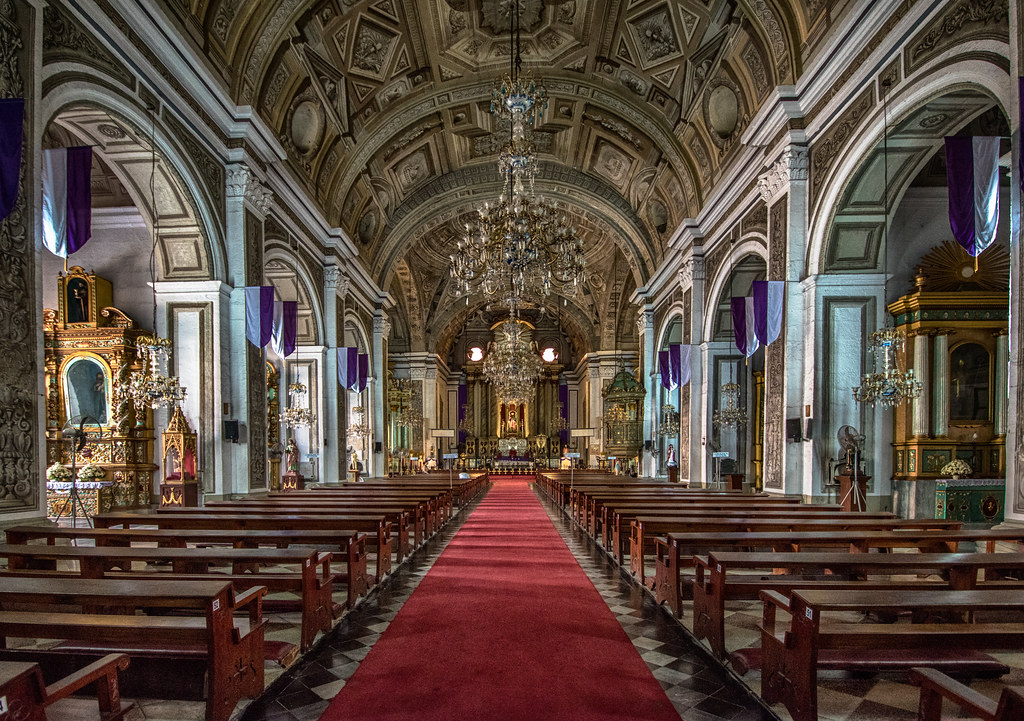
Today the quarter functions as both heritage district and living parish. San Agustín Church, a UNESCO World Heritage site consecrated in 1607, still holds Mass beneath trompe-l'œil ceilings. A walking tour of intramuros traces this layered ground — pre-war Manila beneath cobblestone, post-war reconstruction above. Most visitors choose between a self-paced ramble, a chartered intramuros guided tour, or a half-day intramuros day tour that pairs the ruins with Binondo's older Chinatown next door.
"Four and a half kilometres of adobe were built to be permanent — and, against every reasonable wager, they still are."
A step-by-step walkthrough of Intramuros tickets — what you'll see, how long each stage takes, and the details that matter.
You enter through Puerta Real before the heat lifts, when the limestone still holds the cool of the night.
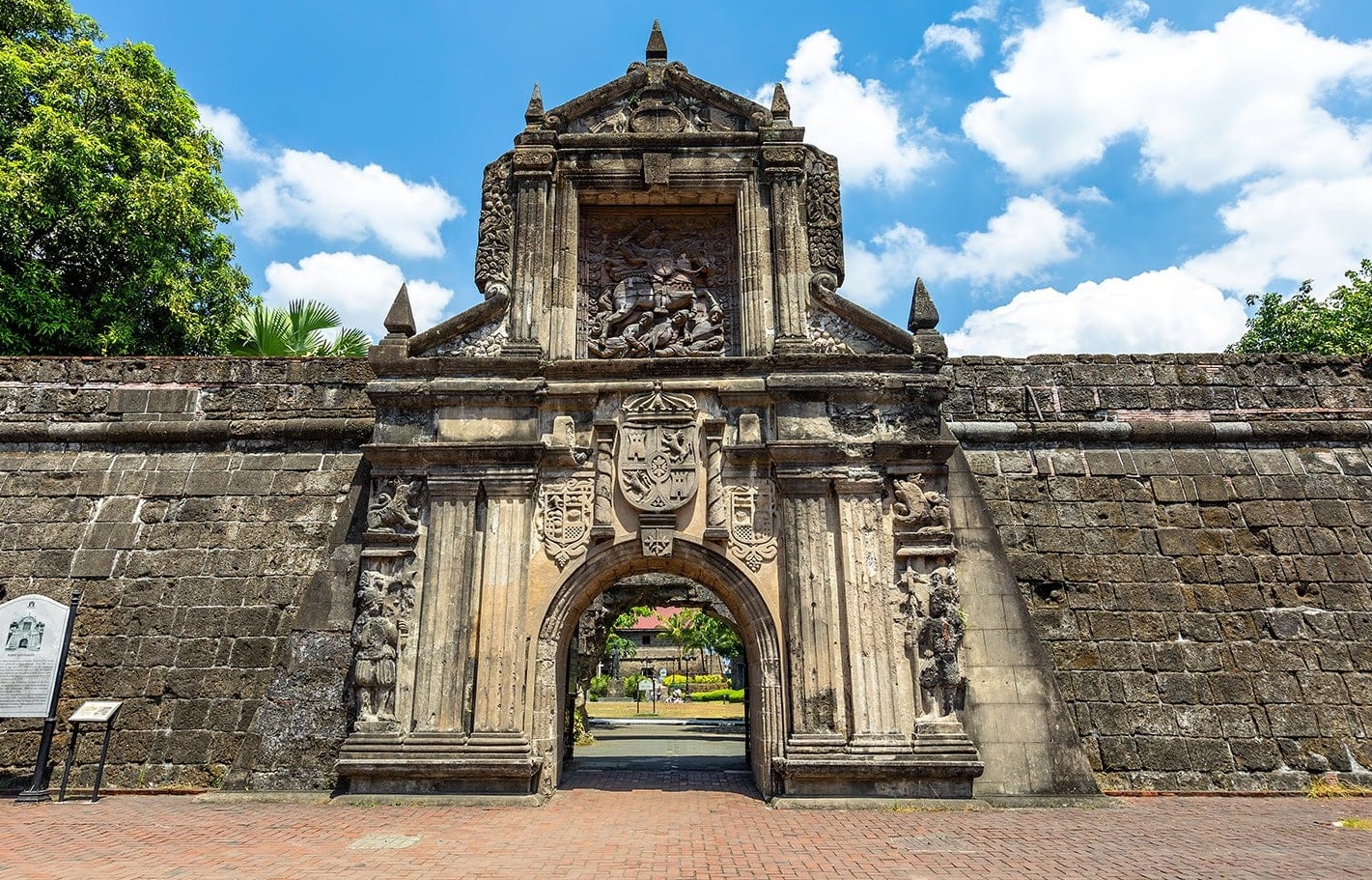
A bamboo bicycle is fitted to your height; the chain ticks softly as you roll past Plaza Roma toward Fort Santiago, where the PHP 75 entry gets you into José Rizal's last cell and the brass footprints traced into the courtyard.
By mid-morning you climb the bastion walls and look down on the Pasig River. A local guide on the intramuros walking tour points out shrapnel scars in the San Agustín façade, then leads you into the cloister's hush. You finish in a courtyard café over tsokolate and ensaymada, voucher already stamped, the afternoon free for Binondo.
The landmarks, rooms, and views travelers on Intramuros tours remember — all visible on a single visit.
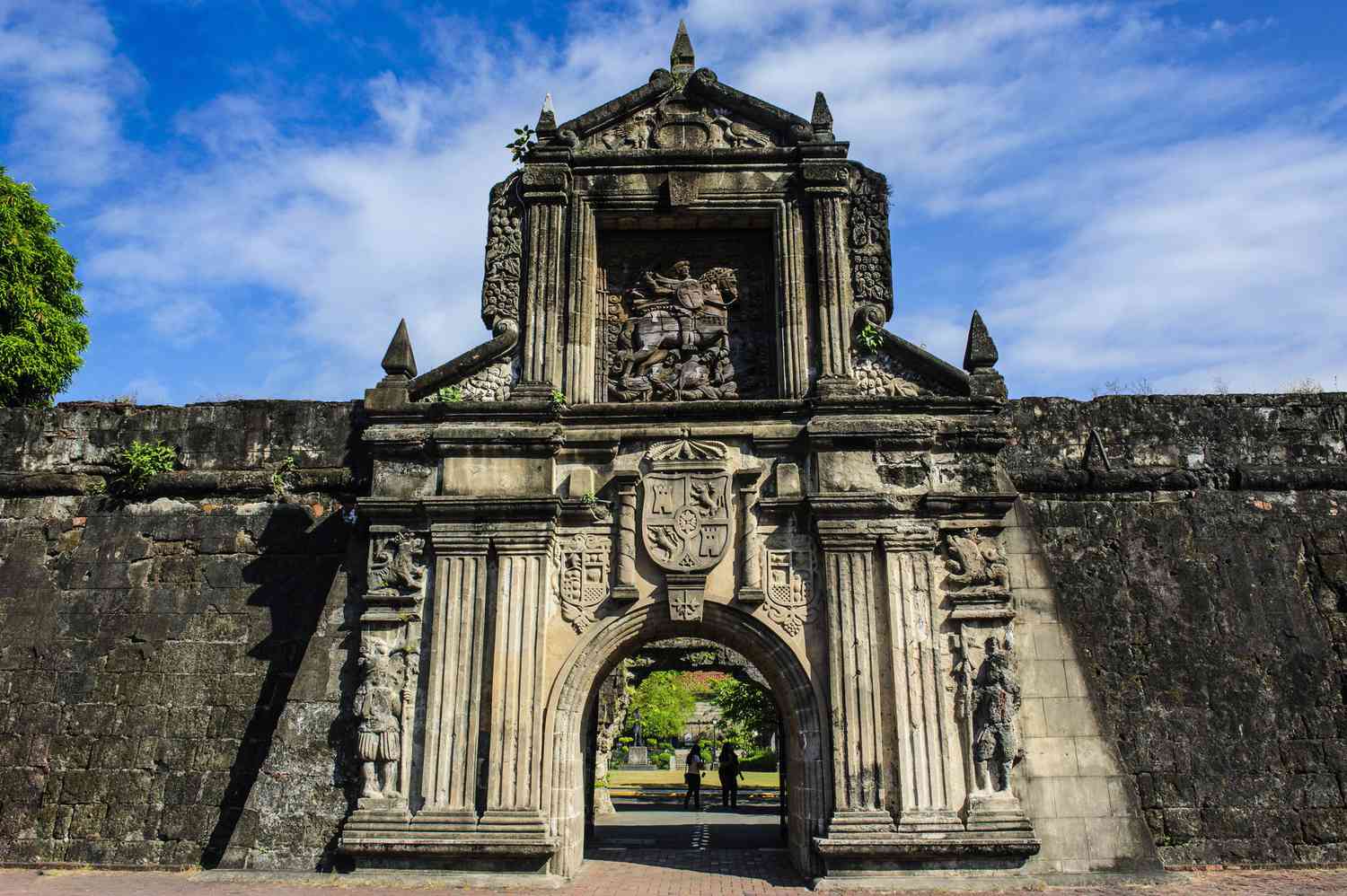
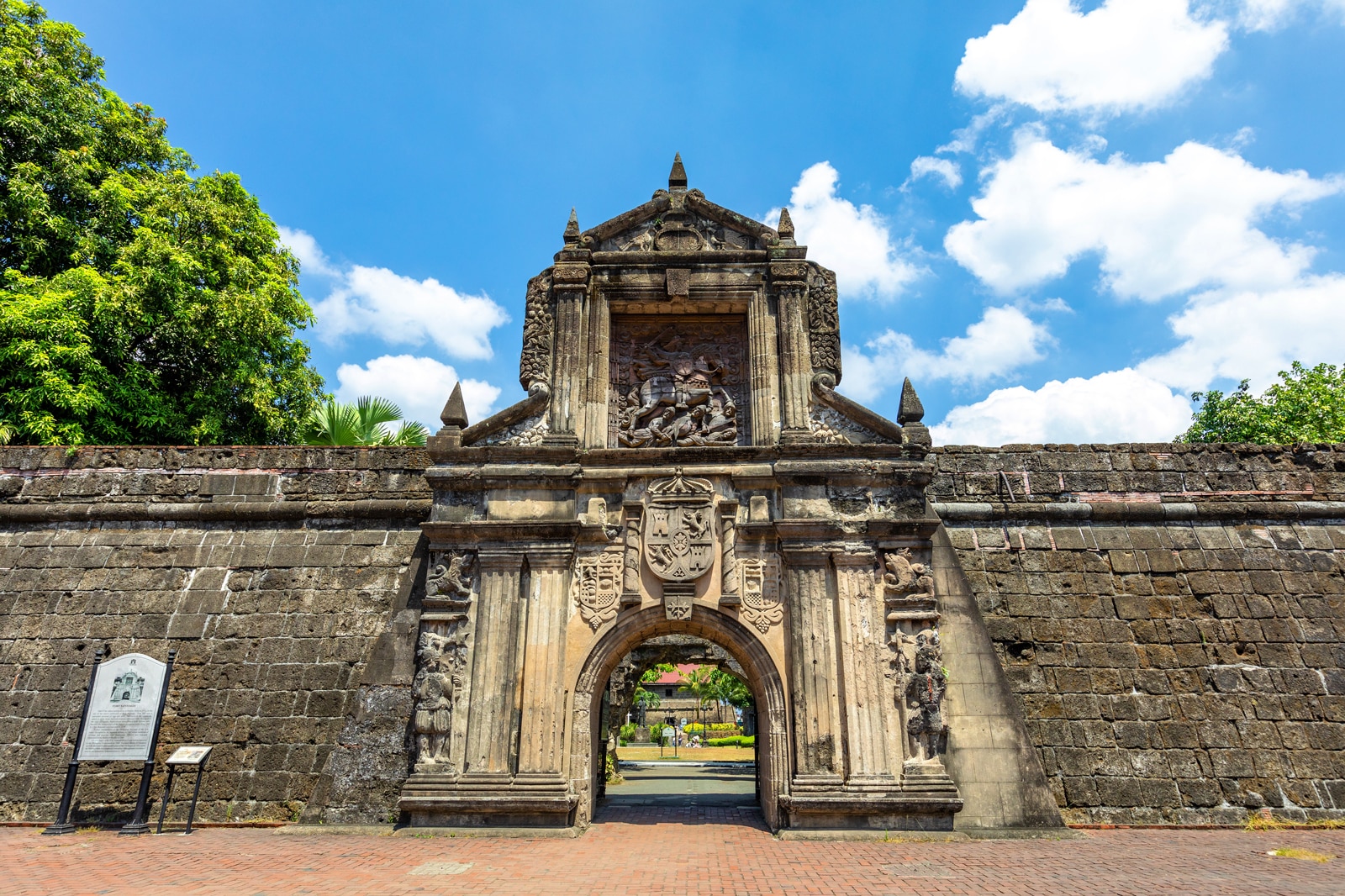
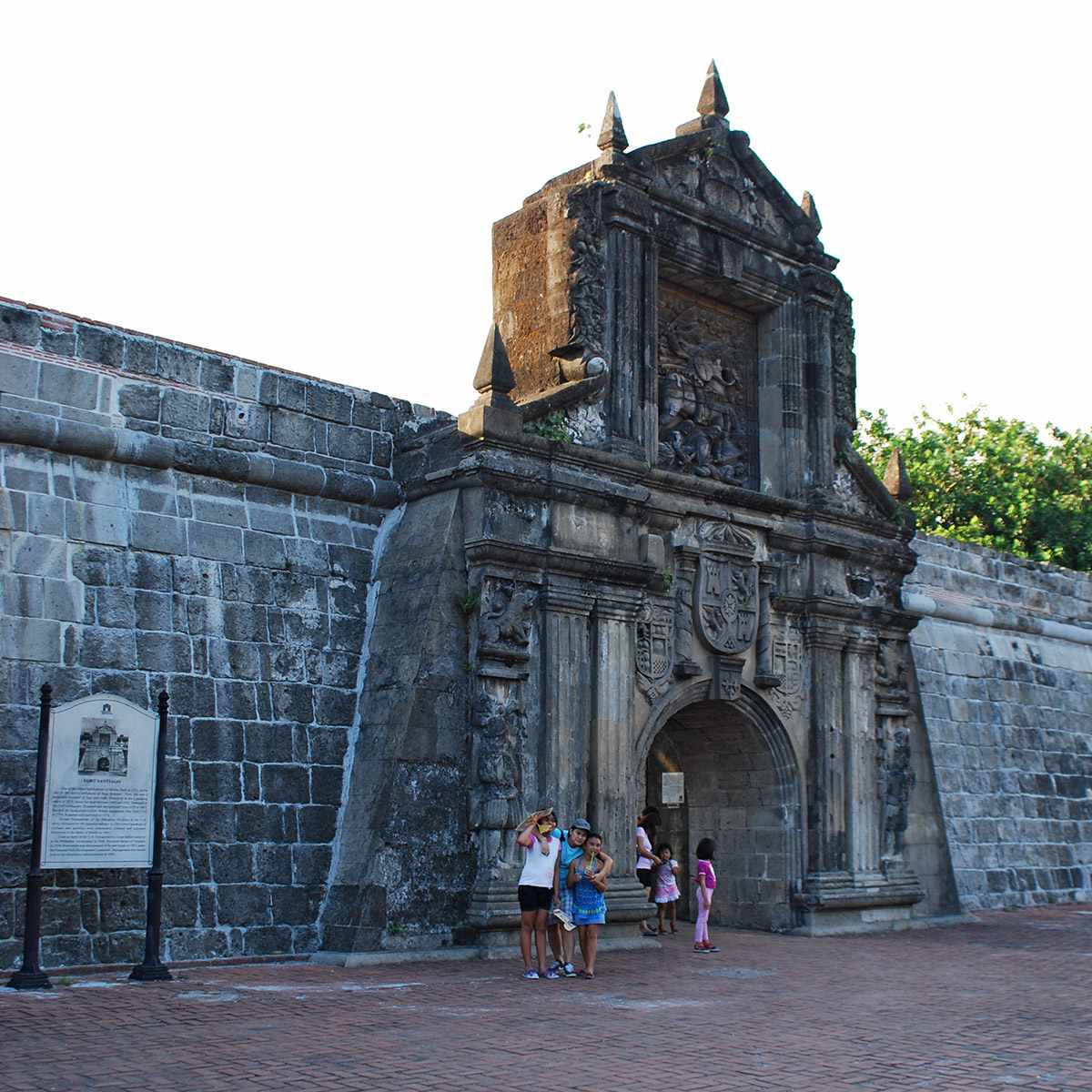
Built in 1571 by Spanish conquistador Miguel López de Legazpi, this bastioned citadel held national hero José Rizal in its dungeons on the night before his execution in 1896; bronze footprints still trace his final walk.
The oldest stone church in the Philippines, completed in 1607 and a UNESCO World Heritage Site, it survived the 1945 Battle of Manila — the only major structure in Intramuros left standing.
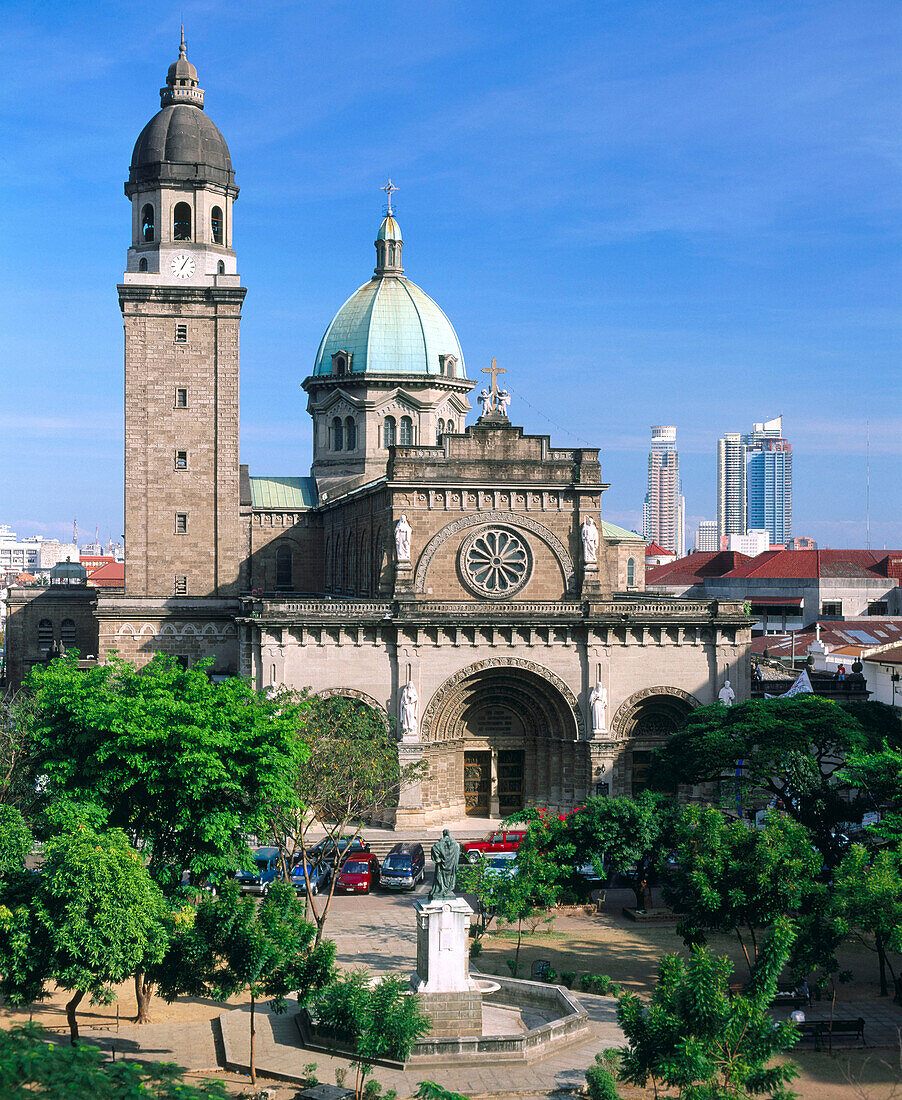
The cathedral on Plaza de Roma has been destroyed and rebuilt nine times since the first structure was erected in 1571, most recently in 1958 after World War II damage; its neo-Romanesque twin bell towers are the tallest structures in the walled city.
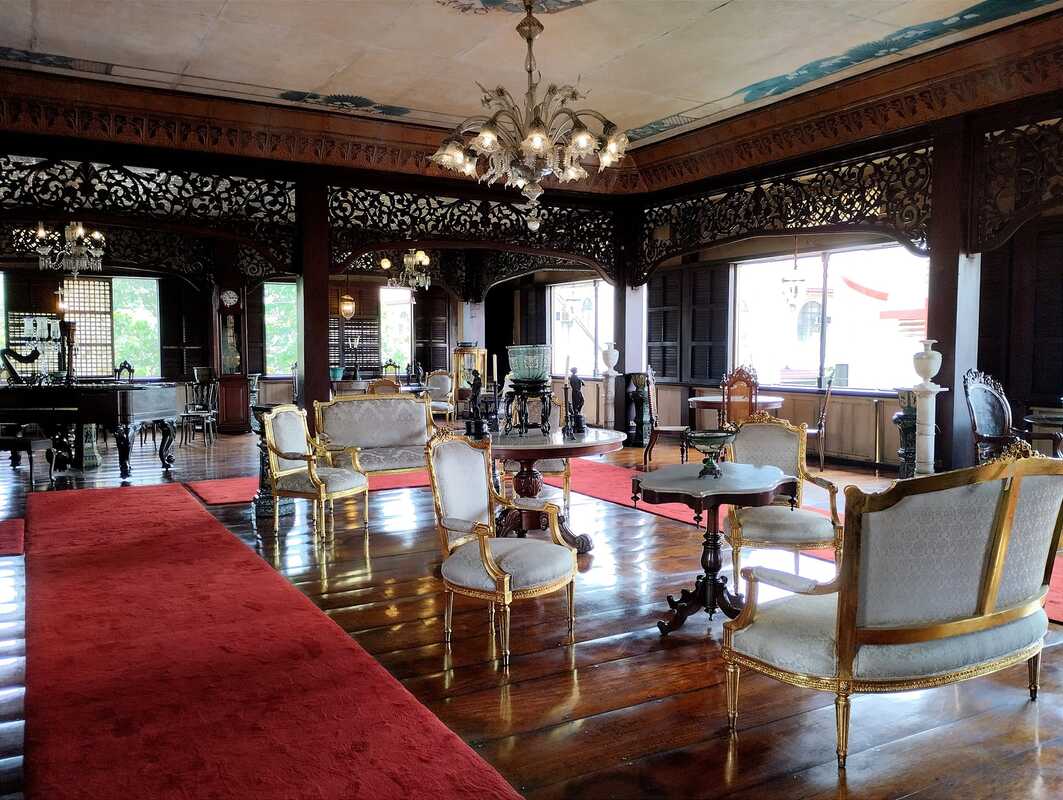
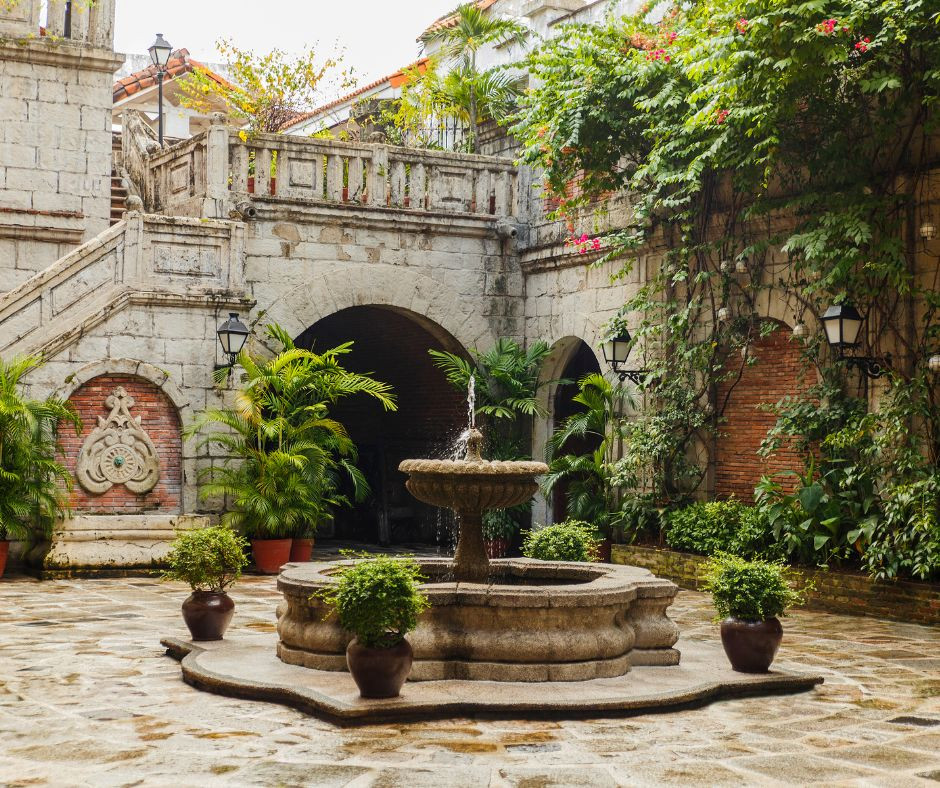
A faithful reconstruction of a 19th-century Bahay na Bato mansion built around an interior courtyard, displaying imported European furniture and indigenous crafts that reveal the layered material culture of Spanish colonial life.
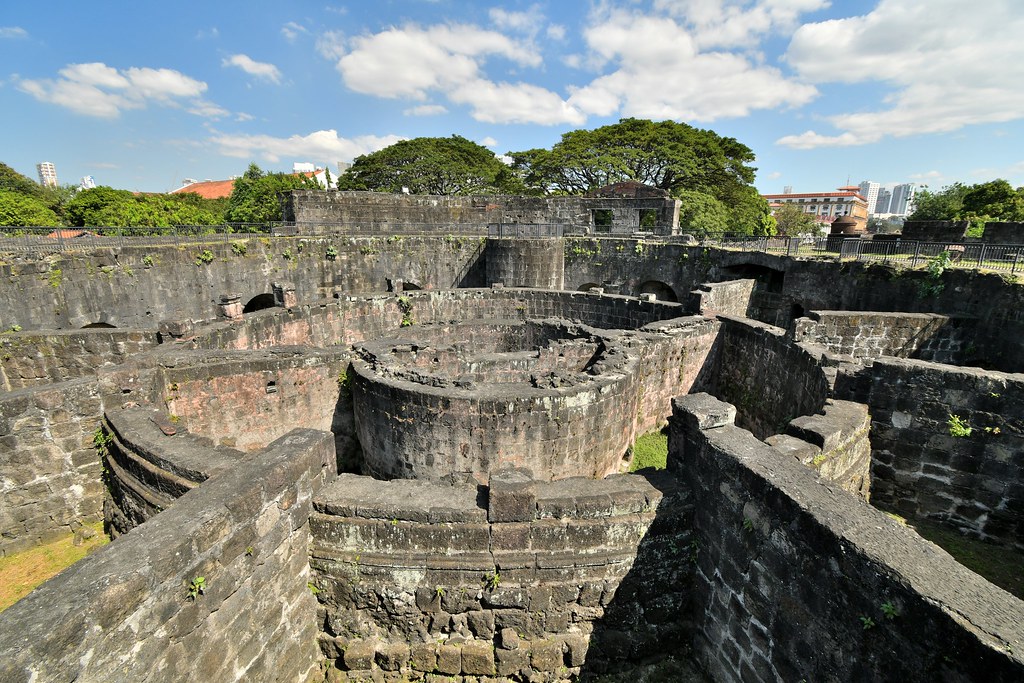
This circular bastion in the southwest corner of Intramuros dates to 1587, making it older than the walls themselves; excavations in the 1990s uncovered more than 1,000 artefacts including Spanish-era cannons now displayed in situ.
Every Intramuros tour side-by-side — duration, what's included, how you redeem.
| Experience | From | Duration | Transfers | Pickup | Lunch | Tax inc. | Free cancel. | Price | |
|---|---|---|---|---|---|---|---|---|---|
|
Skip-the-line Most popular
Tondo Slum & Hidden Market Walk with a Local Guide
|
— | 2 hr | — | — | — | — | ✓ | €53 | Book → |
|
Standard Entry
Intramuros Bamboo Bike History Tour, Manila
|
— | 3 hr | — | — | — | — | ✓ | €22 | Book → |
|
Guided Experience
Viva Old Manila! Intramuros Walking Tour
|
— | 3 hr | — | — | — | — | ✓ | €22 | Book → |
|
Premium Combo
Manila Old & New: 4-Hour City Tour
|
— | 4 hr | — | — | — | — | ✓ | €69 | Book → |
|
Luxury / Private
Manila: Intramuros & Chinatown Private Tour with Meal
|
— | 4 hr | — | — | — | — | ✓ | €69 | Book → |
All prices from verified partners. Availability and exact terms confirmed at checkout.
Choose your ticket, select your date, and reserve in under two minutes. Secure checkout handled by our verified partner.
Instant confirmation by email, with a mobile voucher you can save offline. No printing, no queuing at a collection desk.
Arrive at the entrance, show your voucher on your phone, and walk in. Most tickets include priority or skip-the-line access.
Practical details for Intramuros tickets straight from our verified partners — hours, access, rules, and how to get there.
General Luna Street, Intramuros, Manila
Primary landmark entrance; taxi and Grab drop-off point on General Luna St
Open in Google MapsTake LRT Line 1 to Carriedo Station, then board a jeepney signed Pier 15 / Pier South to reach Plaza Roma and Manila Cathedral.
Grab or metered taxi from Ermita, Malate, or Makati drops off directly on General Luna Street.
From Rizal Park (Luneta), walk north along Padre Burgos Avenue through the Parian gate — a flat 10-minute stroll.
Cycle via the Pasig River Esplanade or Manila Bay boulevard paths; secure your bike at Plaza San Luis before entering ticketed sites.
Intramuros has no enforced dress code for the open streets and ramparts, but modest attire — covered shoulders and knees — is required inside San Agustin Church and Manila Cathedral. Comfortable, closed-toe walking shoes are strongly recommended given the uneven cobblestone lanes throughout the walled city.
Security checks are standard at the entrances to Fort Santiago and other ticketed sites within Intramuros; bags are inspected and large backpacks may need to be checked. Keep valuables secured in a zipped bag while navigating crowded plazas and market areas.
Photography is freely permitted throughout the open streets, walls, and plazas of Intramuros. Inside San Agustin Church, flash photography and tripods are prohibited during religious services; the adjoining museum charges a separate camera fee. Fort Santiago allows photography throughout its grounds and the Rizal Shrine, though some museum gallery rooms restrict flash.
The main roads inside Intramuros are mostly flat, but original cobblestone paving creates an uneven surface that can be challenging for wheelchair users and those with mobility impairments. Fort Santiago has a partially accessible path; the Rizal Shrine building has steps with no lift. Visitors with mobility needs are advised to use the Palacio del Gobernador entrance on General Luna Street, which has the smoothest surface approach.
Mobile signal is generally reliable throughout the walled city, with major Philippine networks (Globe, Smart) providing good 4G/LTE coverage. Free public Wi-Fi is intermittently available near the Visitor Center and some plaza areas. Keep your phone secured in crowded areas.
Intramuros is well suited for families; children under 12 typically receive discounted admission at Fort Santiago and Casa Manila. The ASEAN Garden and open plazas provide space for younger children to roam. Bambike Ecotours offers family-friendly guided bicycle rides on bamboo bikes, and the bronze Rizal footstep trail inside Fort Santiago engages school-age children with interactive history.
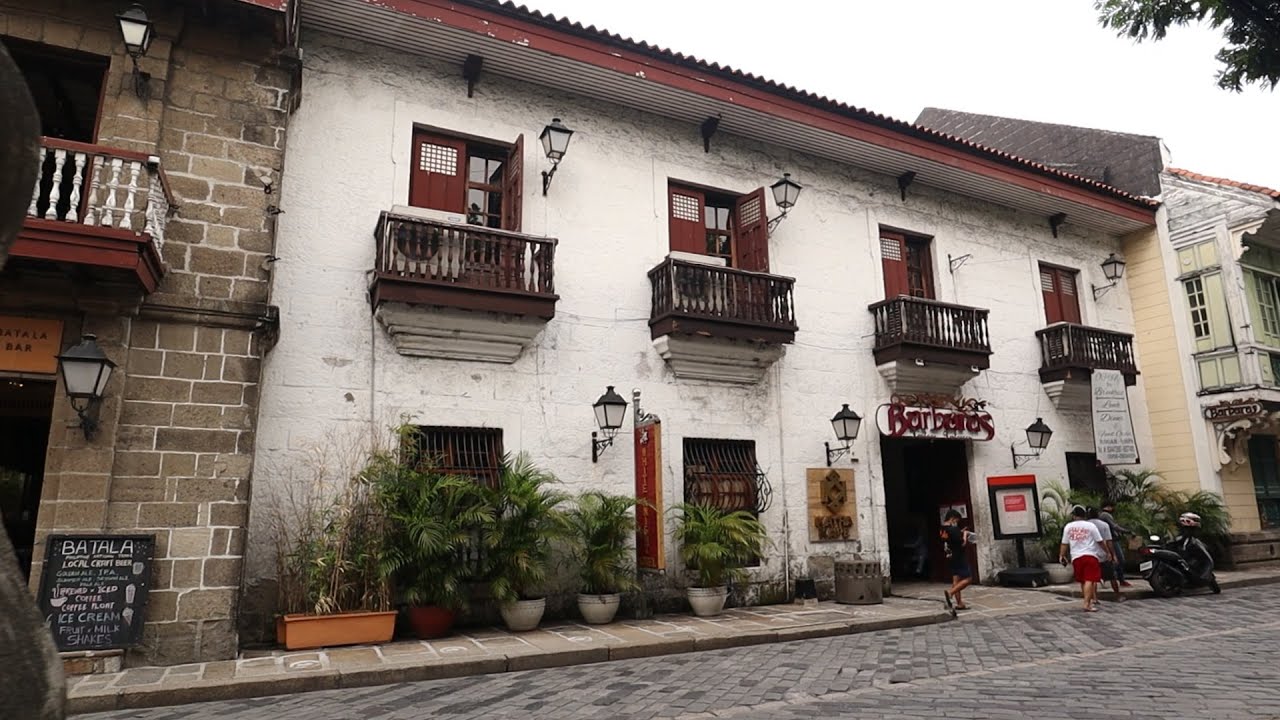
Numerous cafés and restaurants line Plaza San Luis Complex and General Luna Street, serving Filipino and Spanish-influenced dishes. Barbara's Heritage Restaurant and Cafe Intramuros near San Agustin Church are well-regarded options for sit-down meals. Street food stalls around Plaza de Roma sell local snacks; bring cash as not all vendors accept cards. Drinking water fountains are scarce — carry your own bottle.
Pets are permitted on the open streets and ramparts of Intramuros on a leash, but are not allowed inside any of the ticketed heritage sites including Fort Santiago, San Agustin Church, Casa Manila, or Manila Cathedral. Water for animals is not provided on-site, so bring your own.
Bamboo bicycle rentals are available at the Plaza San Luis Complex through Bambike Ecotours, with guided tours ranging from 1.5 to 2.5 hours. Calesa (horse-drawn carriage) rides can be hired near the main gates for a short circuit of the key streets — agree on the fare before boarding. The Intramuros Visitor Center near Fort Santiago distributes free printed maps.
General Luna Street, Intramuros, Manila
Primary landmark entrance; taxi and Grab drop-off point on General Luna St
Get directionsPlaza de Roma, Intramuros, Manila
Central plaza; easy landmark for group assembly; jeepney stop nearby
Get directionsGeneral Luna Street, Intramuros, Manila
Houses the Intramuros Administration offices; smoothest road surface for wheelchair access
Get directionsBest time to go, insider tips, nearby landmarks, and the cancellation fine print — flip through to skim what matters to you.
How crowds, weather, and events shift across the year.
Dry and cooler season; comfortable temperatures around 24–28°C with minimal rain — the most popular period for exploring the walled city on foot.
Hot and dry; visit early (08:00–10:00) to beat the heat; Holy Week brings religious processions and large crowds to Manila Cathedral and the churches.
Transition to wet season; occasional afternoon showers; fewer tourists than peak dry season, making it a quieter time for Intramuros walking tours.
Wet season with typhoon risk; carry a compact umbrella; some outdoor events and calesa rides may be disrupted by heavy rain.
Christmas lights and décor transform the walled city; festive atmosphere around Plaza de Roma, though weekends can be very crowded.
Small details that turn a good visit into a great one.
Fort Santiago and the Rizal Shrine are virtually empty in the first hour of opening — you can complete the entire site before the tour groups arrive around 09:30.
Ticketed attractions including Fort Santiago (PHP 75) accept cash only at the booth; ATMs inside the walls are limited, so withdraw before you enter.
Local commuters and tour guides consistently point to Carriedo as the better alighting station — jeepneys to Pier 15 run directly to Plaza Roma from there with no long walk.
Signal can drop in narrow alleys between the thick stone walls; the free map from the Visitor Center near Fort Santiago marks all 16 baluartes and key landmarks.
Calesa drivers near the gates typically quote per-ride, not per-hour; agree on the full itinerary and price before boarding to avoid disputes.
This restored circular fort in the southwest corner operates Saturdays and Sundays 08:00–17:00 — plan accordingly if it is on your list.
Non-bookable sights within a short walk — free to visit, easy to pair.
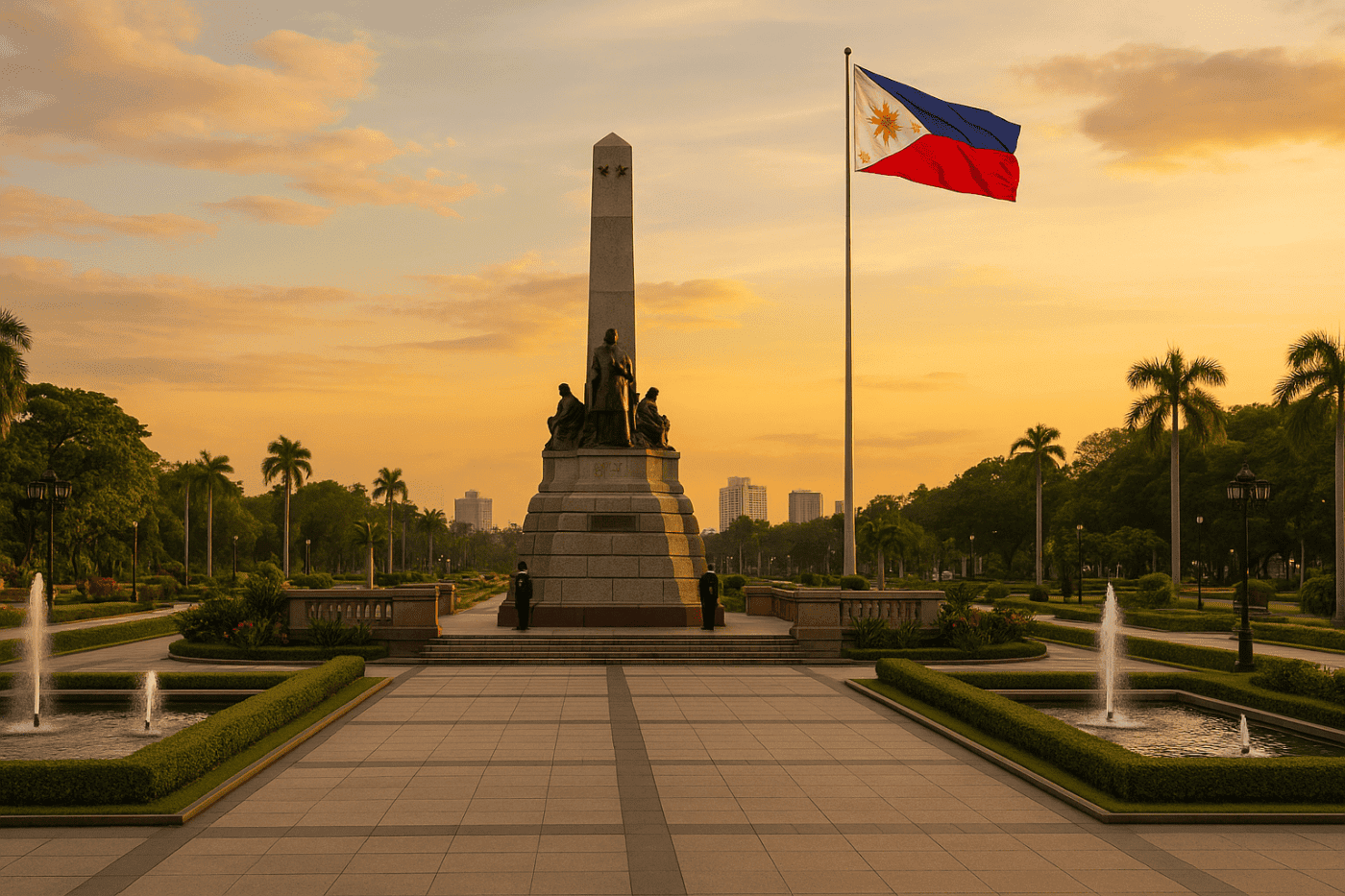
Manila's 58-hectare central park with the Rizal Monument and open-air concert grounds, directly south of the walled city.
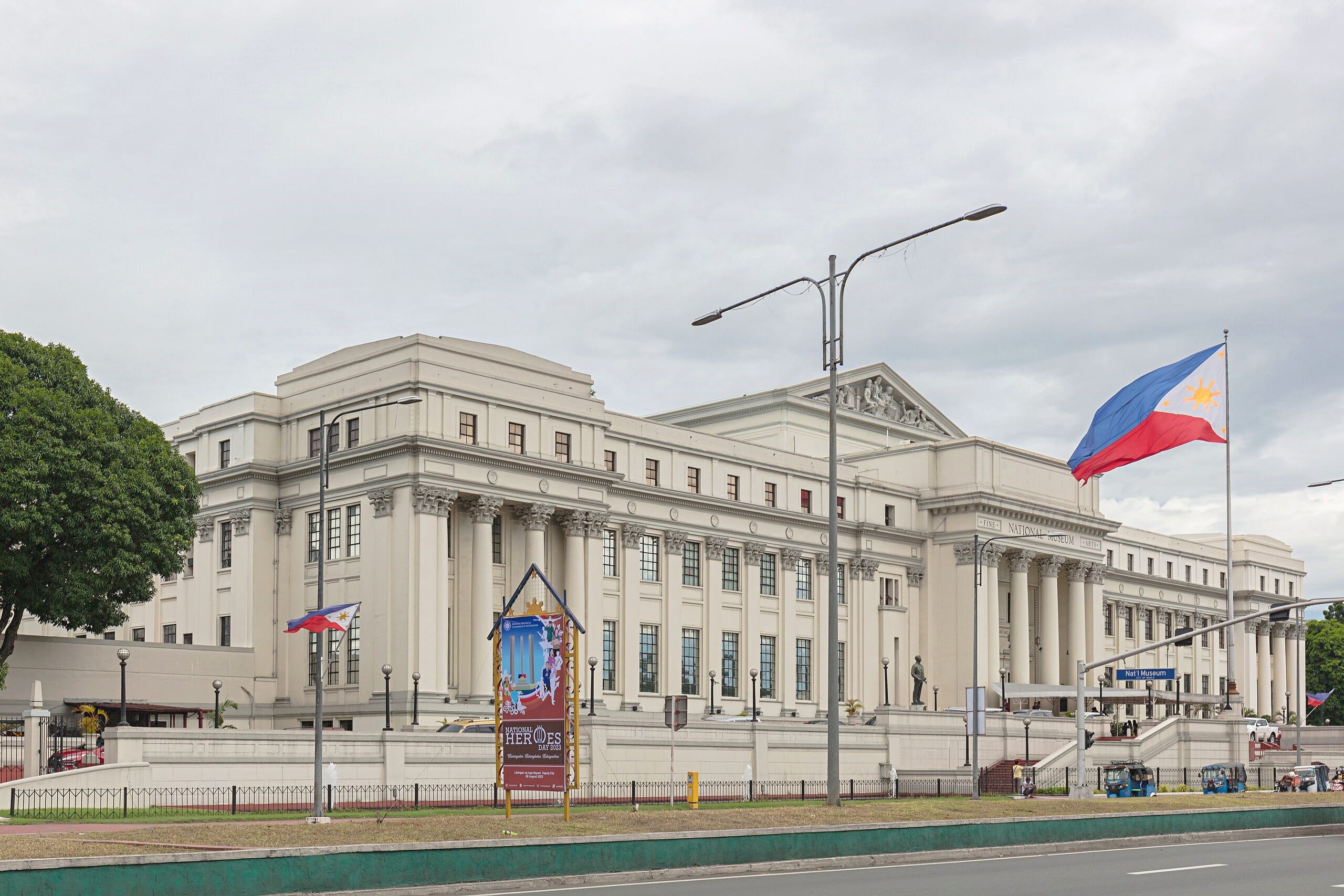
Housed in the former Legislative Building, it holds the national collection including Juan Luna's Spoliarium.
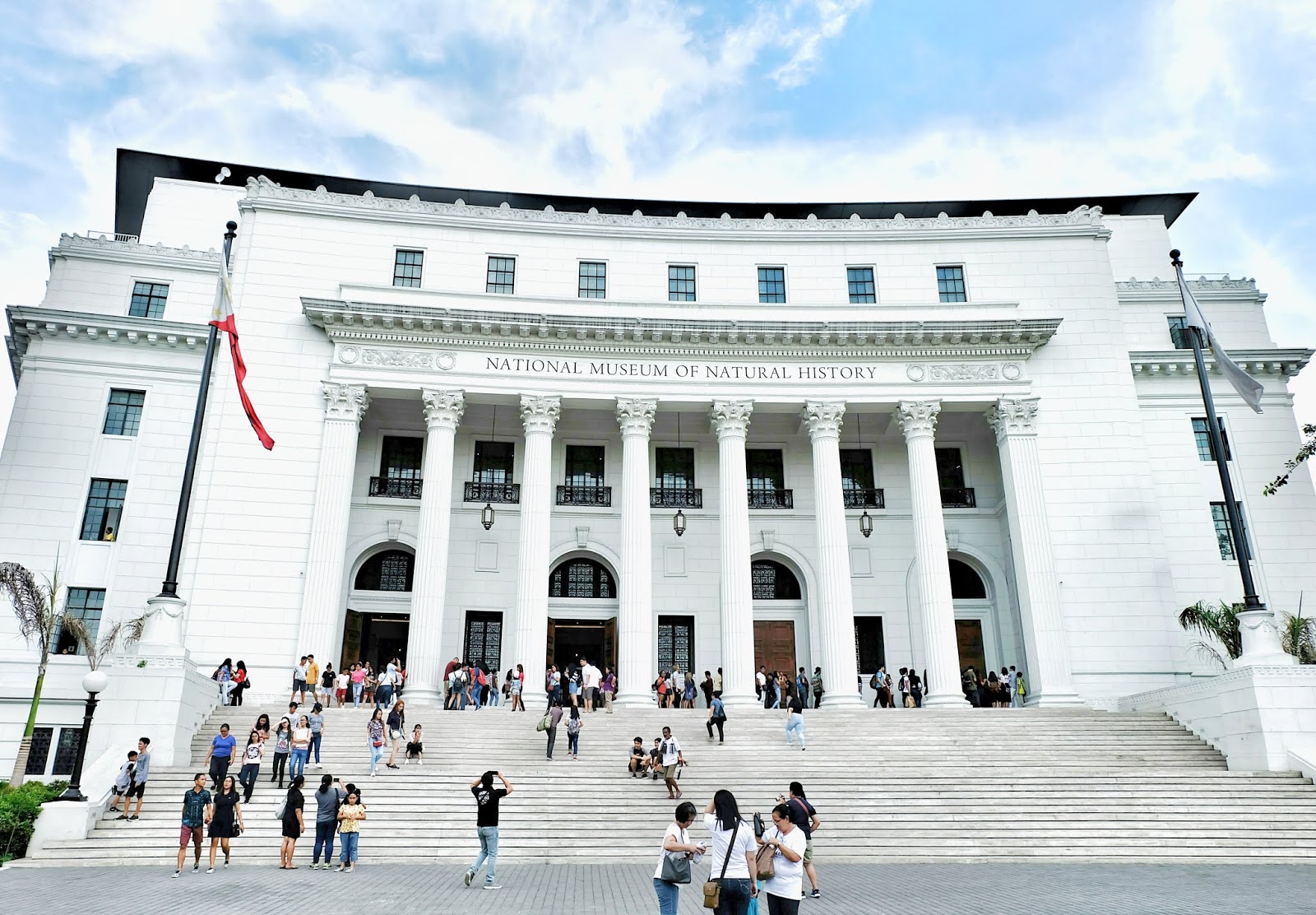
Centrepiece is the Tree of Life installation inside a stunning domed atrium; free admission.
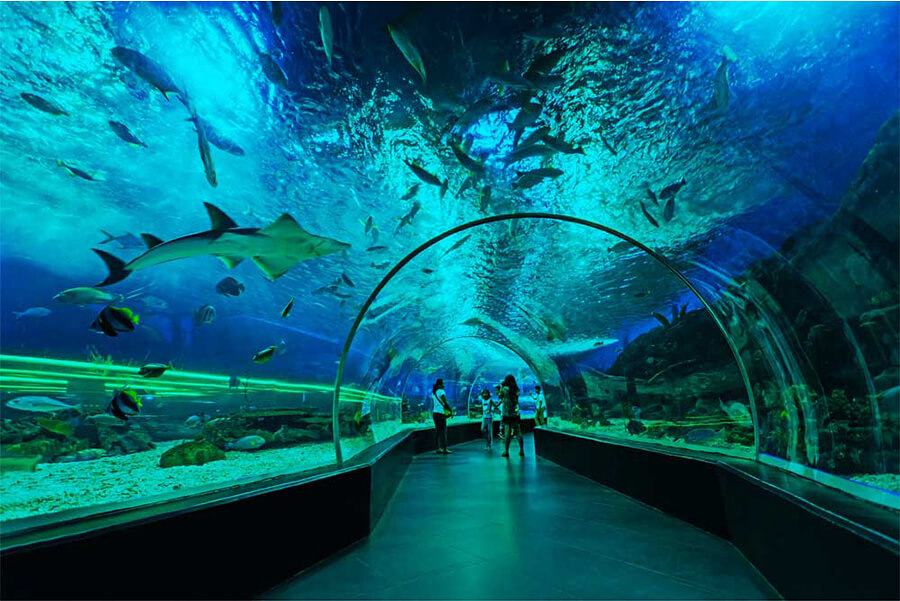
Marine theme park and aquarium adjacent to Quirino Grandstand on the bay.
Documents Chinese-Filipino (Tsinoy) heritage; located on Anda Street just inside the walls.
Flexible, no hidden fees.
Entry to the walled district of Intramuros is free of charge, so no booking or cancellation applies to general access. For third-party guided tours or ticketed site passes (e.g., Fort Santiago at PHP 75), cancellation terms are set by the individual operator or booking platform — check your confirmation for the applicable refund window.
Hand-picked options within walking distance — pick a district for vibe, or a specific hotel for convenience.
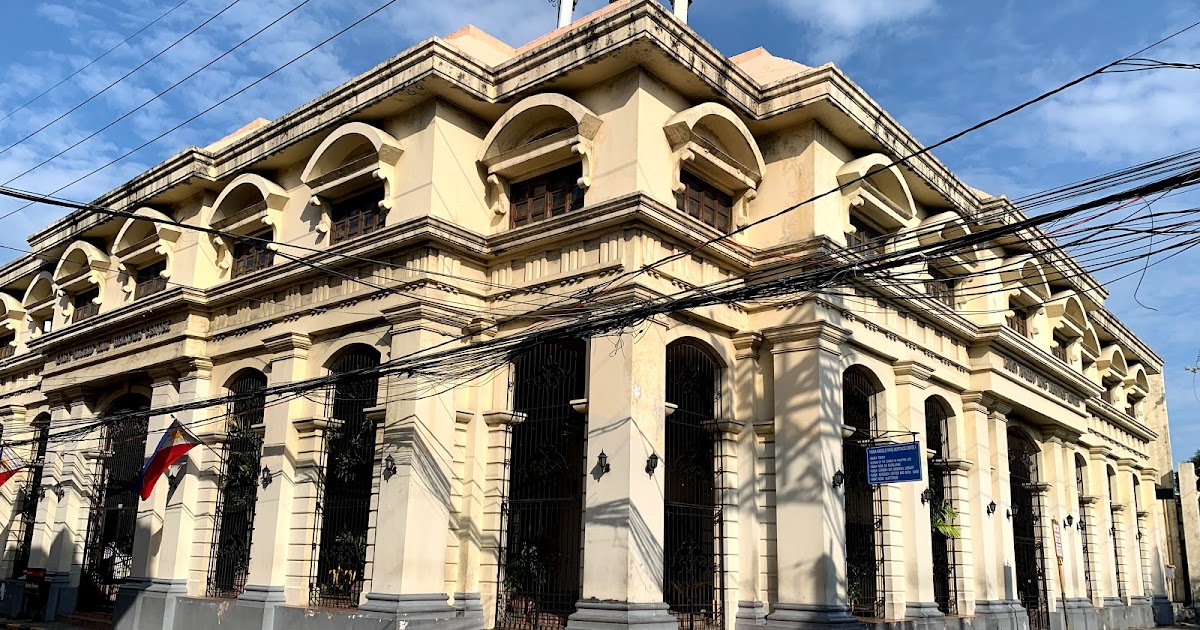
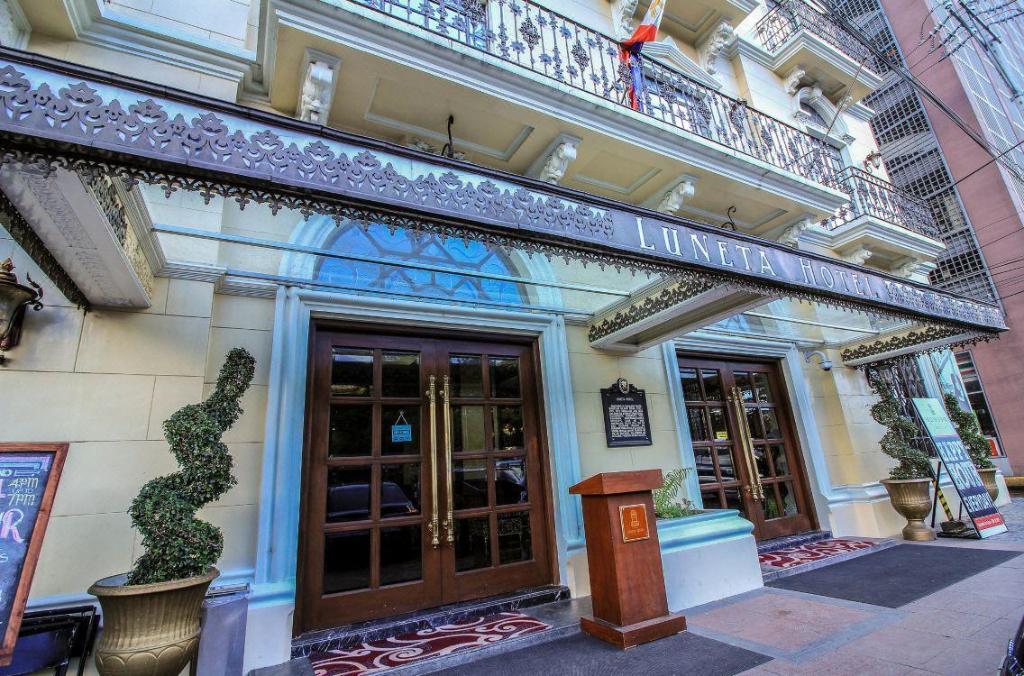
Restored 1918 heritage building on the edge of Rizal Park; Art Deco interiors and bay views.
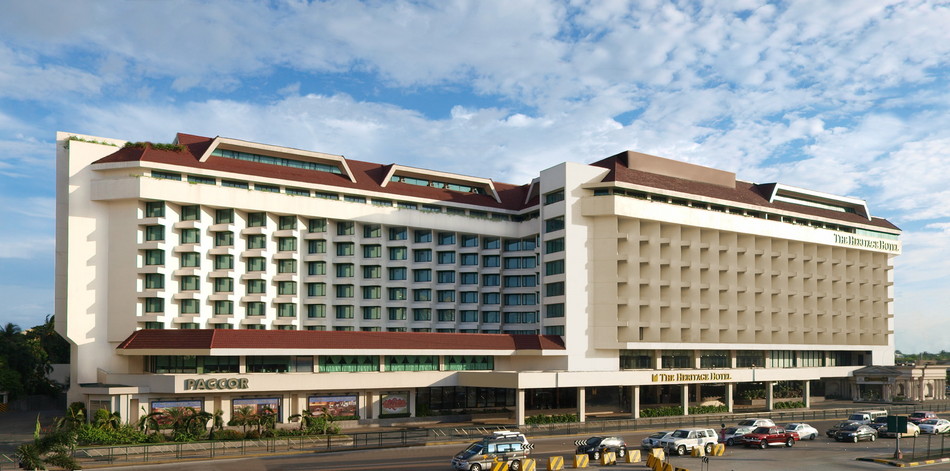
Full-service hotel on Roxas Boulevard with bay views, pool, and multiple dining outlets.
Well-maintained hotel near NAIA with shuttle service; good value for transit stays.
Several small guesthouses and hostels operate on and around General Luna Street within the walls.
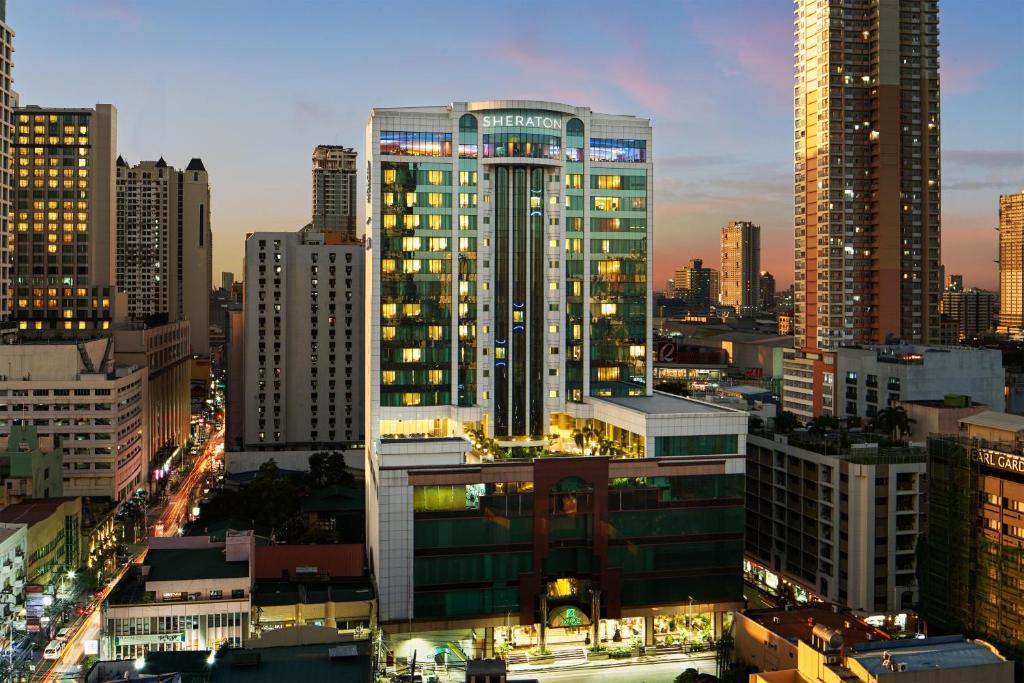
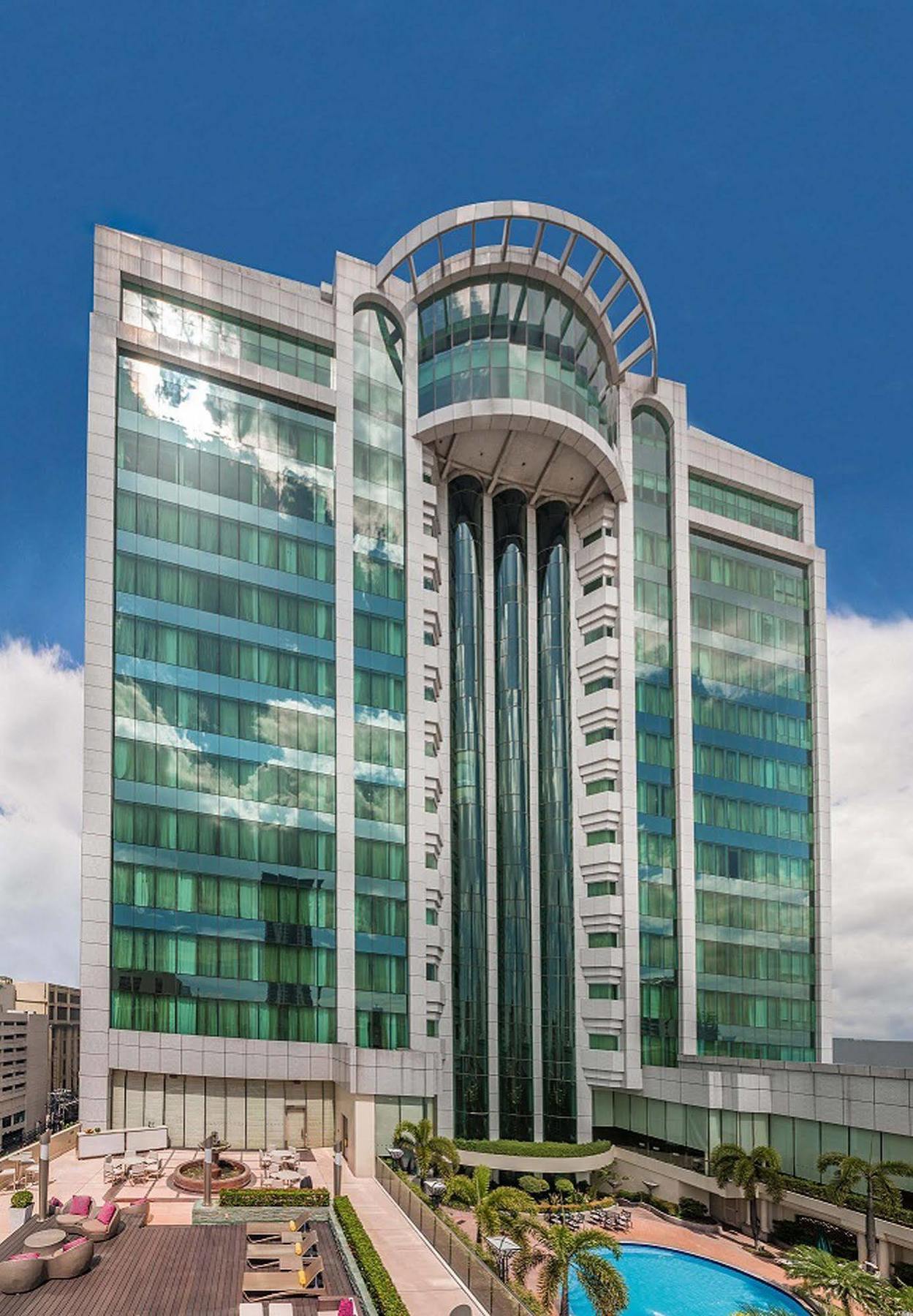
Upscale Ermita-area hotel with city views and easy access to Manila's heritage and bay districts.
The walled district of Intramuros is open Monday to Friday from 08:00 to 22:00, and Saturday and Sunday from 06:00 to 22:00. Individual heritage sites within the district, such as Fort Santiago, have their own operating schedules.
Entry to the walled district of Intramuros itself is free. Individual attractions within it charge separately — Fort Santiago, for example, costs PHP 75 per adult. Students and persons with disabilities typically receive a discounted rate at ticketed sites.
The best window for visiting Intramuros is 08:00 to 10:00, when temperatures are cooler and crowds have not yet built up. Weekday mornings, particularly Tuesday and Wednesday, see the lightest foot traffic at major sites.
Take LRT Line 1 to Carriedo Station, then board a jeepney marked Pier 15 or Pier South to reach Plaza Roma and Manila Cathedral — the journey takes around 20–30 minutes from central Manila. Grab and metered taxis can drop you directly on General Luna Street.
Guided Intramuros tours are widely available, ranging from walking history tours to bamboo bicycle tours run by operators such as Bambike Ecotours. Tours typically depart from Plaza San Luis Complex and cover Fort Santiago, San Agustin Church, and Manila Cathedral in 1.5 to 2.5 hours.
There is no enforced dress code for the open streets and ramparts, but modest attire covering shoulders and knees is required when entering San Agustin Church and Manila Cathedral. Closed-toe walking shoes are recommended for the uneven cobblestone streets.
Photography is freely allowed throughout the open areas of the Intramuros walled city. Inside San Agustin Church, flash photography and tripods are not permitted during Mass; the museum there may charge a camera fee. Fort Santiago permits photography on its grounds and inside the Rizal Shrine, with some gallery rooms restricting flash.
The main streets are largely flat, but original cobblestone surfaces can be challenging for wheelchair users. Fort Santiago has a partially accessible path, though the Rizal Shrine building involves steps. The smoothest access point is the Palacio del Gobernador entrance on General Luna Street.
Children are welcome throughout Intramuros and typically receive reduced admission at Fort Santiago and Casa Manila. The ASEAN Garden and the open plazas offer room for younger visitors, and the bronze Rizal footstep trail inside Fort Santiago is a particularly engaging feature for school-age children.
Plaza San Luis Complex and General Luna Street host a range of cafés and restaurants serving Filipino and Spanish-influenced cuisine. Street food stalls around Plaza de Roma offer affordable local snacks. Carry cash, as many smaller vendors and some site ticket counters do not accept cards.
Drones require a prior permit from the Intramuros Administration, and commercial filming also needs written approval. Loud amplified sound, alcohol outside designated dining premises, spray paint, and open fires are all prohibited within the walled city.
Rizal Park (Luneta) is a 10-minute walk south and makes a natural pairing with any Manila heritage tour. The National Museum of Fine Arts and the National Museum of Natural History are both about 12 minutes on foot and offer free admission. Bahay Tsinoy Museum is just a few minutes' walk inside the walls and documents the Chinese-Filipino contribution to Philippine history.